


Four Days Under the Ashvattha Tree: Growing the Next Generation of Game Designers

Updated: Aug 5
"Every great tree begins with a seed. Every great idea begins with curiosity."
For four unforgettable days, our GVLP - GFS students stepped into something far more ambitious than a typical summer camp. They entered the world of the Ashvattha Tree from the Bhagavad Gita—not simply to learn about it, but to transform its timeless wisdom into an engaging, meaningful board game.
The goal was bold: design an original mystery game that helps players discover how ignorance, ego, desire, and attachment shape our decisions, while uncovering the deeper roots of wisdom hidden beneath everyday life.
This wasn't about making another board game. It was about learning how to think.
Day 1 – Planting the Seed
We began by introducing everyone to the extraordinary symbolism of the Ashvattha Tree—the inverted tree described in the Bhagavad Gita, where the visible world is only a reflection of deeper unseen causes.
Parents and students joined together for a quiet 10-minute Ashvattha Tree meditation, grounding ourselves before beginning the creative journey.
From there, the detectives went to work.
Instead of immediately building games, students first became game archaeologists. They carefully deconstructed classics like Clue and Betrayal at House on the Hill, asking questions every designer should ask:
Why is this mechanic fun?
Which parts are essential?
Which rules only add complexity?
How does the game keep players engaged?
By the end of the day, everyone realized that great games are rarely accidents—they are carefully crafted systems of meaningful choices.
Day 2 – From Players to Designers
The second day marked a turning point.
The students stopped analyzing games and started creating their own.
Drawing inspiration from games such as Mysterium, MicroMacro, Clue, and Betrayal, each team experimented with mechanics that could bring the Ashvattha Mystery to life.
Rather than asking simply "Who committed the crime?", the teams explored much deeper questions:
What invisible causes create visible actions?
How can players uncover hidden patterns?
Can a mystery game also teach self-reflection?
Teams debated mechanics, discarded ideas they loved, redesigned entire systems, and slowly learned one of the most valuable lessons in design:
Never fall in love with your first idea.
Every iteration brought the game closer to something clearer, simpler, and more meaningful.
The day concluded once again with quiet reflection beneath the symbolic Ashvattha Tree—a reminder that good design grows from stillness as much as from creativity.
Day 3 – Embracing Iteration
If Day 2 was about creativity, Day 3 was about resilience.
Students quickly discovered that creating a game is only the beginning.
Making it enjoyable is much harder.
Rules were rewritten.
Cards were redesigned.
Mechanics that looked brilliant on paper sometimes collapsed during playtesting.
Entire sections of prototypes were rebuilt.
Rather than seeing these moments as failures, students learned to celebrate them as discoveries.
Each playtest answered another important question:
"How can we make this experience better for the next player?"
Slowly, the Ashvattha Mystery transformed from an exciting idea into something that actually worked around the table.
Day 4 – Bringing the Tree to Life
The final day focused on polishing, refining, and preparing the games for others to experience.
Teams finalized rulebooks, produced additional prototype copies, refined gameplay, and tied together dozens of loose ends accumulated throughout the week.
The transformation over four days was remarkable.
Students who had arrived simply enjoying board games were now speaking the language of designers:
player experience
mechanics
balance
meaningful choices
iteration
storytelling
Throughout the week, every obstacle became another opportunity to learn.
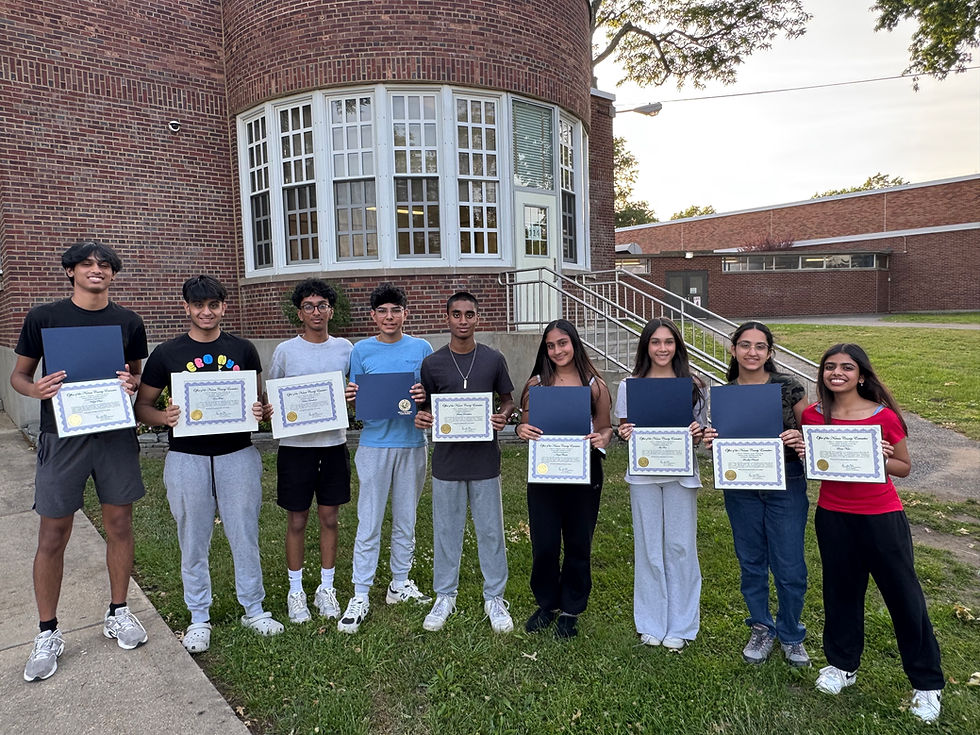
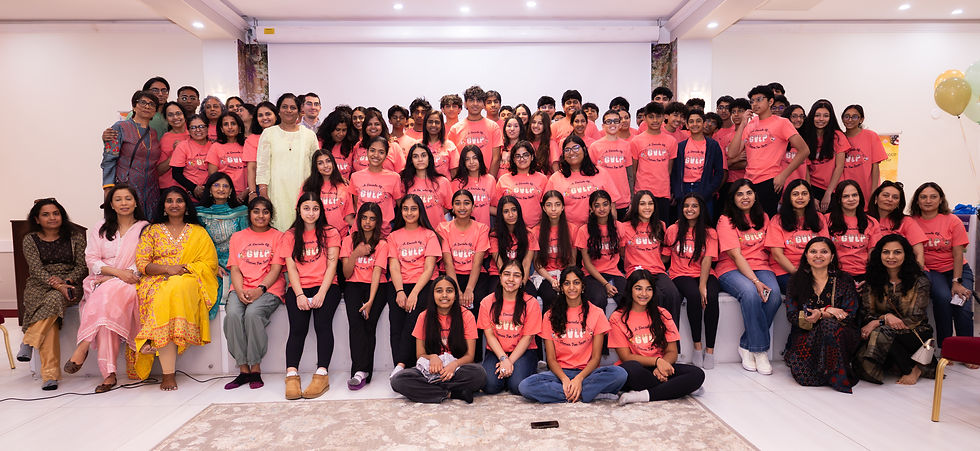
We wrapped up camp with gratitude, group photos, plenty of laughter, and even a refreshing swim after several intense days of designing in the summer heat.
More Than Game Design
The greatest success of the camp wasn't the prototypes. It was watching students become comfortable with uncertainty. They learned that creativity is messy.
That feedback is a gift. That collaboration almost always produces better ideas than working alone. And perhaps most importantly, they discovered that wisdom doesn't simply belong inside ancient books—it can be experienced through play.
The Ashvattha Tree became far more than the theme of a game. It became a metaphor for design itself. The visible game mechanics were merely the branches.
The invisible thinking, values, reflection, and teamwork formed the roots.
Just like the Ashvattha Tree, the most important part of the journey was often hidden beneath the surface.
Thank You
A heartfelt thank you to our wonderful hosts, Swapna and the Dhingra family, for opening both their home and their hearts throughout the camp.
Special appreciation goes to Asvin, whose calm, steady leadership and willingness to mentor students through complex design challenges made an enormous difference. His composed approach to every obstacle helped keep the entire team moving forward.
Thank you as well to Yana and Sanju for their thoughtful ideas, constant encouragement, and willingness to jump in wherever help was needed.
Finally, thank you to every student and parent who embraced the spirit of experimentation, curiosity, and teamwork. Together, you proved that when creativity is rooted in timeless wisdom, remarkable things can grow.
The Ashvattha Mystery has only just begun.
CAMP CO-CORDINATORS - Rathi Raja & Madhu Allu
CAMP COUNSELLORS - Asvin Ranganathan, Yana Dhingra, Sanju Iyer
PARTICIPANTS - Aashna Shah, Anamika Rajesh, Asha Bahadkar, Lakshitha Lakshmanan, Leela Bahadkar, Naren Ranganathan, Ryan Rishi, Samarth Motaganahalli, Samyuktha Iyer, Sanvi Nair, Vishwa Vasudevan & Zaina Dhingra
Watch the clips for the student feedback and takeaways

Trong lúc tìm kiếm một số thông tin liên quan đến các nền tảng giải trí trực tuyến, mình bắt gặp một bài chia sẻ có nhắc đến B33 tò mò nên mình mở trang để xem qua cách thiết kế và bố trí nội dung, chứ không có ý định tìm hiểu quá sâu. Sau khi lướt một vòng, mình nhận thấy giao diện khá đơn giản, các phần được tách thành từng khu vực nên nhìn tổng thể không bị rối. Khi chuyển sang vài chuyên mục khác, trang phản hồi tương đối nhanh, thao tác cũng khá liền mạch. Qua lần xem thử này, mình đánh giá phần giao diện và cách sắp xếp nội dung ở mức…
Có một lần mình đang đọc dở một bài tổng hợp trên mạng thì thấy DN88 xuất hiện xen giữa phần nội dung. Lúc đó cũng không có ý định tìm hiểu gì sâu, chỉ tò mò bấm vào xem thử cho biết. Mình lướt nhanh vài mục để cảm nhận cách bố trí chung, và ấn tượng đầu tiên là mọi thứ được sắp xếp khá gọn gàng cùng các trò quen thuộc như slot, game bài, bắn cá nhìn vào không bị rối mắt. Xem xong mình quay lại bài đang đọc, nhưng trong đầu vẫn nhớ là giao diện khá dễ theo dõi.
Điều khiến mình chú ý ở https://sv368c.com/ là hành trình từ trang chính đến các danh mục bên trong khá mạch lạc. Sau khi mở một nội dung, mình vẫn dễ dàng quay lại khu vực trước đó hoặc chuyển sang phần khác. Cách liên kết giữa các trang giúp việc khám phá website tự nhiên hơn.
Gần đây thấy cái tên xem bong da truc tiep được nhắc đến tương đối nhiều trong các bài chia sẻ kinh nghiệm nên mình quyết định ghé qua quan sát. Ấn tượng đầu là nền tảng xử lý phần nhìn rất thông thoáng, bảng điểm số thể thao và không gian bàn cược live casino không bị trộn lẫn vào nhau. Phân khu dành cho các tựa game slot cũng được gom tụ chuẩn chỉ tại mỗi sảnh game. Trang web thể hiện một bố cục hợp lý, việc định vị các mục quan trọng rất trực quan và không gây cảm giác quá tải dữ liệu.
Mình đánh giá cao cách h19 tổ chức các danh mục. Những nội dung có liên quan được đặt gần nhau nên việc tìm kiếm khá thuận tiện, không phải mở nhiều trang mới rồi quay lại liên tục. Cách sắp xếp này đặc biệt hữu ích với người chưa quen website.